Fare Hikes - what now?
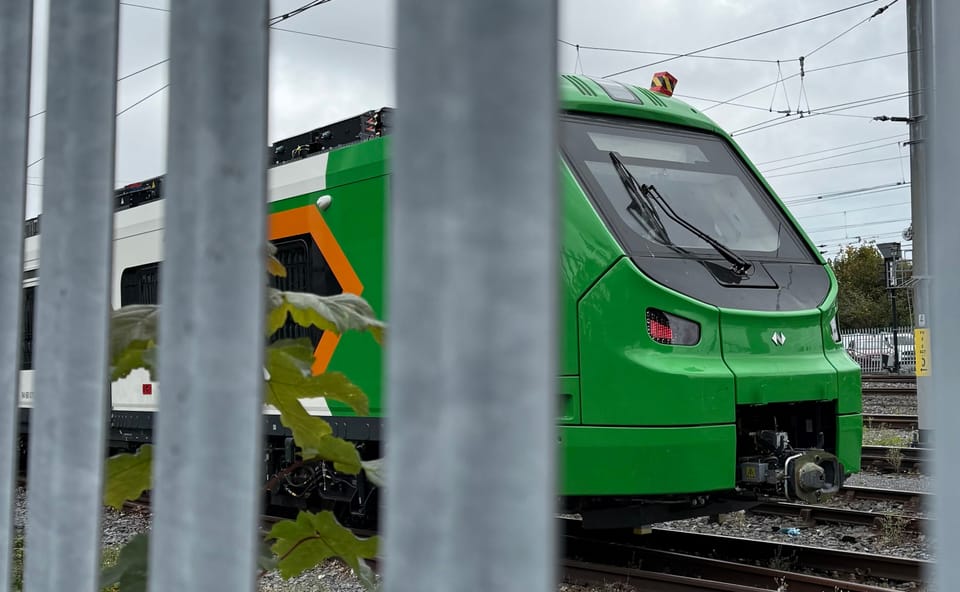
Today, the NTA announced that public transport fares are to be raised by between 10% and 33% in January 2027. According to the Taoiseach, the reason behind this huge price hike is that Government "can't fund everything forever". The new fare structure is linked below.
This move has gone down about as well as you'd expect among public transport users. The statement below from the Dublin Commuter Coalition captures the mood - public transport users are sick and tired of being forced to pay for the government's lack of delivery on sustainable transport infrastructure.
 Dublin Commuter Coalition
Every year that a major transport infrastructure project like BusConnects is delayed is another year where the cost of providing public transport goes up due to congestion. It costs more to run a bus network on roads shared with private traffic than on dedicated bus lanes, due to all the losses that traffic and congestion delays bring. Government should prioritise capital spending on infrastructure in order to be able to control current spending on things like bus driver salaries and fuel - the better the network, the fewer buses and drivers are needed to deliver a given service level.
Unluckily for us, our government have repeatedly failed to make the required capital investments that would enable an efficient public transport network. It's frankly insulting that public transport users, who are making the responsible choice to ease traffic congestion, are being forced to subsidise fossil fuels for private motorists simply because the government are irresponsible with spending.
Back to Micheal Martin's little rhetorical trick above: the public are not asking the government to "fund everything forever". We're simply asking the government to spend our tax money wisely - on infrastructure that will enable the efficient delivery of public transport and on services that encourage people to do the right thing (for health, for safety, for the environment) by using sustainable transport. Instead, this government is fixated on paying off special interests while public transport users foot the bill.