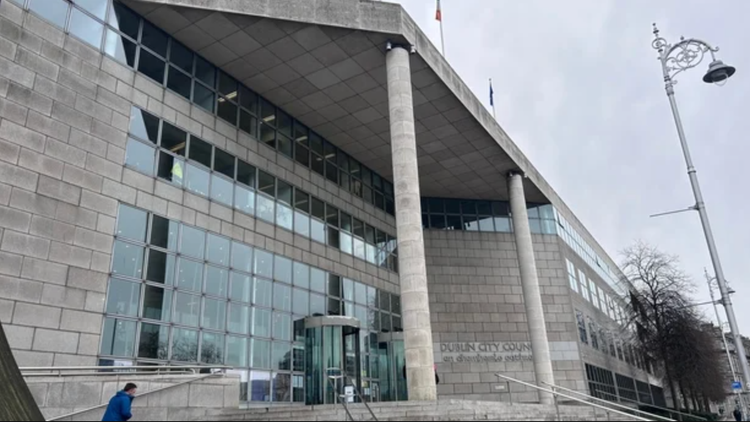
Wood Quay and Camden Yard (part 2)
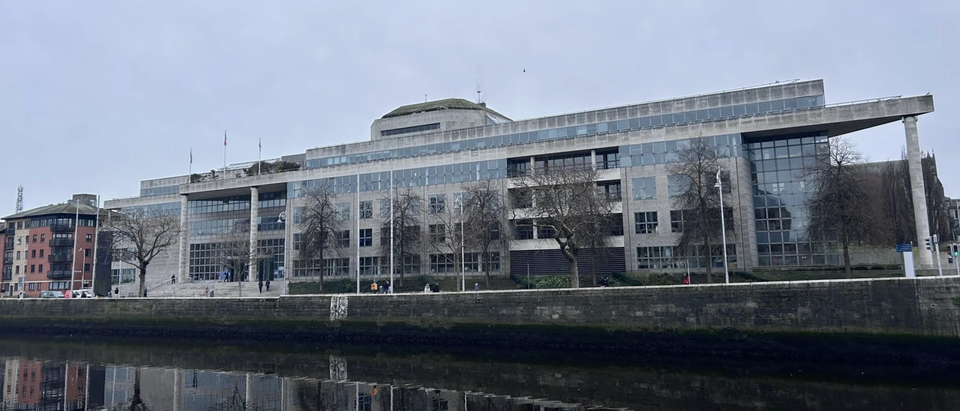
In part 1 of this series, I gave a high-level overview of Dublin City Council's plan to move its corporate headquarters to Camden Yard on Kevin Street. If all goes according to plan, the council will move into their new location in 2029. What does that mean for the Wood Quay site?
There's a lot to unpack when we consider this move, so I'll split the discussion over a short series of articles. This one addresses some of the reasons that DCC management gave us for the move and some thoughts on how credible the rationale is.
The site on Wood Quay
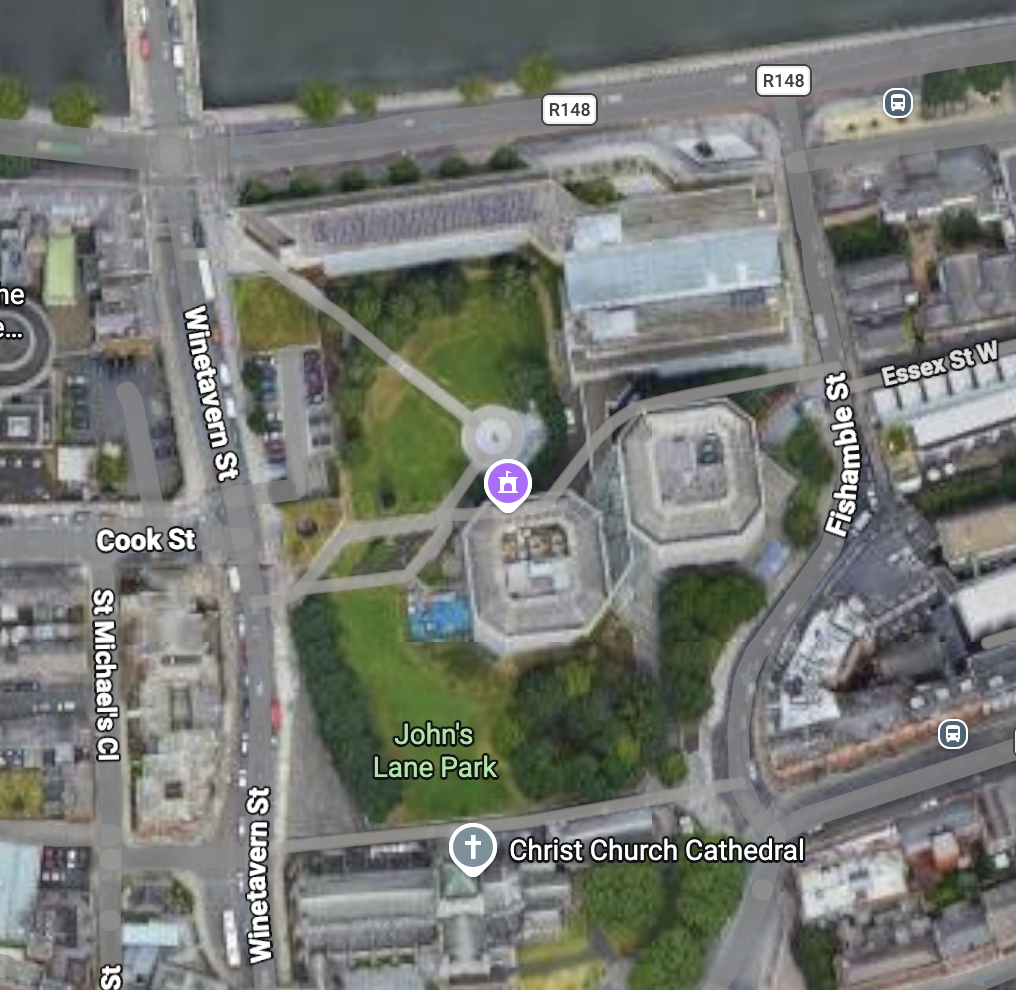
The Wood Quay site takes up about 1.6 hectares (4 acres). There are 4 large blocks currently built on it - in the image above the 1970s "Stephenson Bunkers" are on the southern side of the site, while the large façade and atrium from the early 1990s (designed by Scott Tallon Walker) overlook the Liffey towards the top of the photo.
The history of this site is covered on Wikipedia, so I won't repeat it here, except to note that when it comes to Wood Quay, there's a repeating pattern of closed-door decision making by a small group of men followed by large scale public outcry, protest, delay and huge budget overruns.
The CEO's case for moving
The elected members of Dublin City Council have had a number of short presentations relating to this proposed move. The CEO and senior management make the following case in support of the move:
- The Wood Quay complex is "not fit for purpose" and requires extensive refurbishment and retrofitting to meet modern energy standards for public buildings
- It would cost upwards of €450mn to retrofit Wood Quay, which exceeds the construction cost of the office portion of the Camden Yard development
- Vacating the Wood Quay site creates an opportunity to build 550 new public homes there
Fitness for purpose
The fitness-for-purpose of the Wood Quay office complex has not been validated by an independent agency. The CEO mentioned some specific items that need addressing: the elevators are unreliable, there are issues with the plumbing and the building is "tired" (as he put it). He also told us that when the complex was built, no sinking fund was put in place for maintenance, so much of the maintenance we would expect to be done to a building over a 30 year period has simply not happened. This is the entirety of the rationale presented to members to support the argument that Wood Quay is not "fit for purpose".
I am skeptical of the conclusion that maintenance issues with the complex make it unfit for purpose. Scott Tallon Walker, architects of the front part of the complex, present Wood Quay on their website as a triumph of modern building design. There is certainly no suggestion that the building is in a state of terminal disrepair.
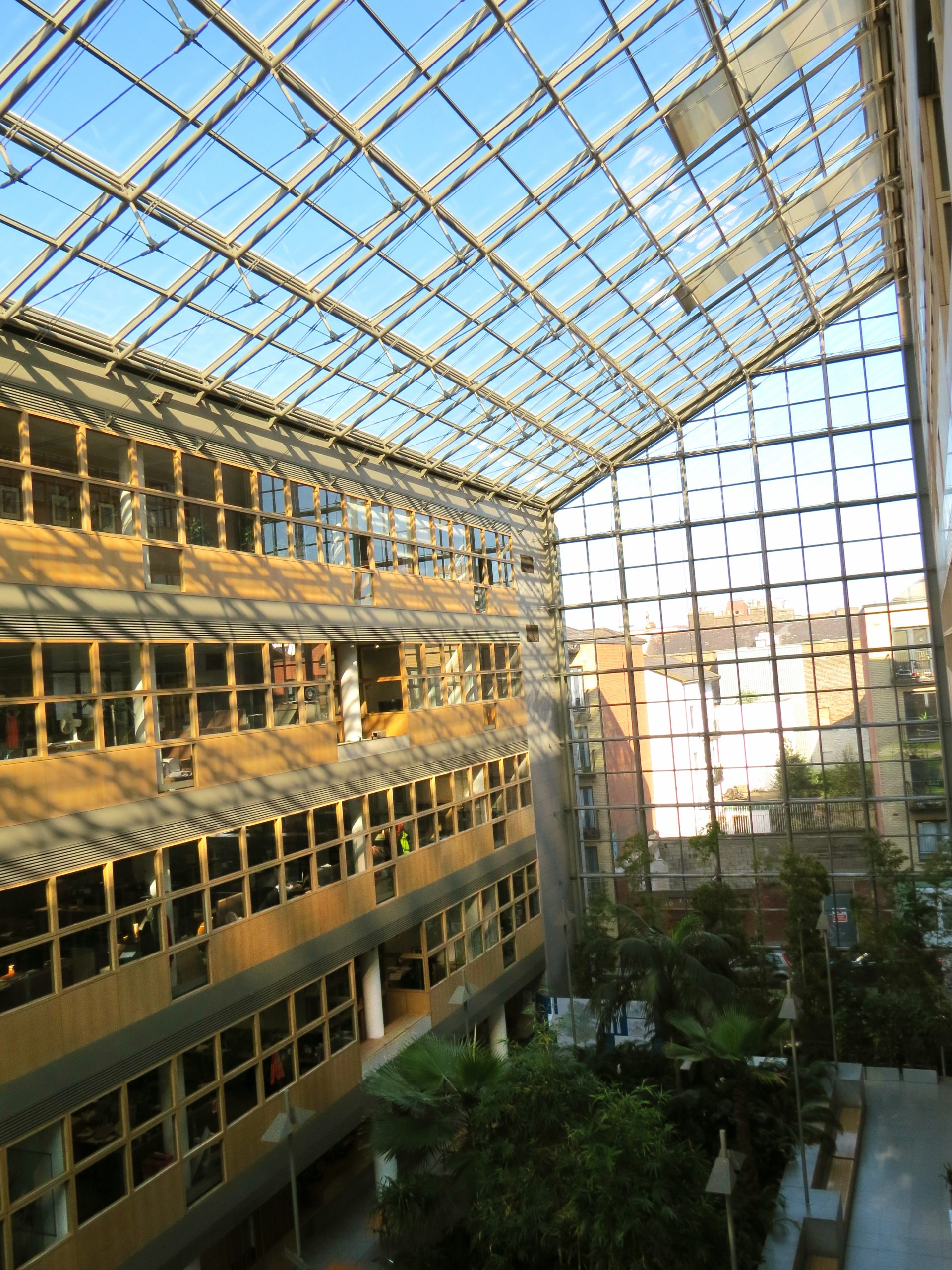
The picture below shows the atrium in the public area of the building as it is today. I have stood in this atrium many times; while its design is a snapshot in time that grounds it firmly in the 1990s, it remains a bright and pleasant space. During my 30 years of working I have worked in far less well-appointed environments!
Refurbishment costs
The CEO told members that refurbishment costs are in the order of €400-500mn. This is to bring the Wood Quay complex up the fit-and-finish standard required for modern offices, as well as to upgrade the BER of the complex up to A3. As Frank McDonald pointed out in his excellent Irish Times article, the refurbishment of the Central Bank cost in the order of €100mn and it's hard to see why this project would cost four times as much.
The costs for the actual building work part of the Wood Quay refurbishment project were presented per the table below. As you can see it's a quantity-surveyor style estimate of area X cost-per-sqm and not very detailed. It adds up to about €100mn.
| Type | € / sqm | Area (sqm) | Total € |
|---|---|---|---|
| Shell | 2,950 | 26,294 | 77.6mn |
| Cat B Office fitout | 3,000 | 4,106 | 54.3mn |
| Public Area | 3,200 | 2,060 | 6.6mn |
| TOTAL | 96.5mn |
The lion's share of the rest of the €300-€400mn estimate comes from the cost of rehousing all of DCC's staff while the retrofitting works complete, as well as financing costs. DCC management presented 2 options for managing staff during a refurbishment:
- Move staff into temporary accommodation in 4 tranches
- Move staff into temporary accomodation in a single tranche
This was quoted at a cost of €100 - €150mn. DCC's working assumption is that they will source A-grade office buildings (that is, finished to a higher standard than the existing offices) large enough to accommodate all the relocated staff in a single location, to be leased for a 10-15 year period (DCC claim it's not possible to lease offices for a shorter period). Some basic challenges to these assumptions are:
- Why do all the relocated staff have to be in a single building? Surely if this is temporary we can put up with some fragmentation of the workforce.
- The 10-15 year lease claim stretches credulity. If we accept the assumption above that DCC must relocate 2,500+ workers all at once that clearly limits their options, but I don't believe that any private sector organisation would take such an rigid, cookie-cooker approach to a one-in-50-year project that would benefit from creative thinking.
Public housing
The final rationale given by DCC in defence of this plan is that moving to Camden Yard creates an opportunity to redevelop the Wood Quay site and put it to better use. The concept drawings presented to us comprises 550 apartments, in a mixture of 6 and 8 storey blocks as shown below.
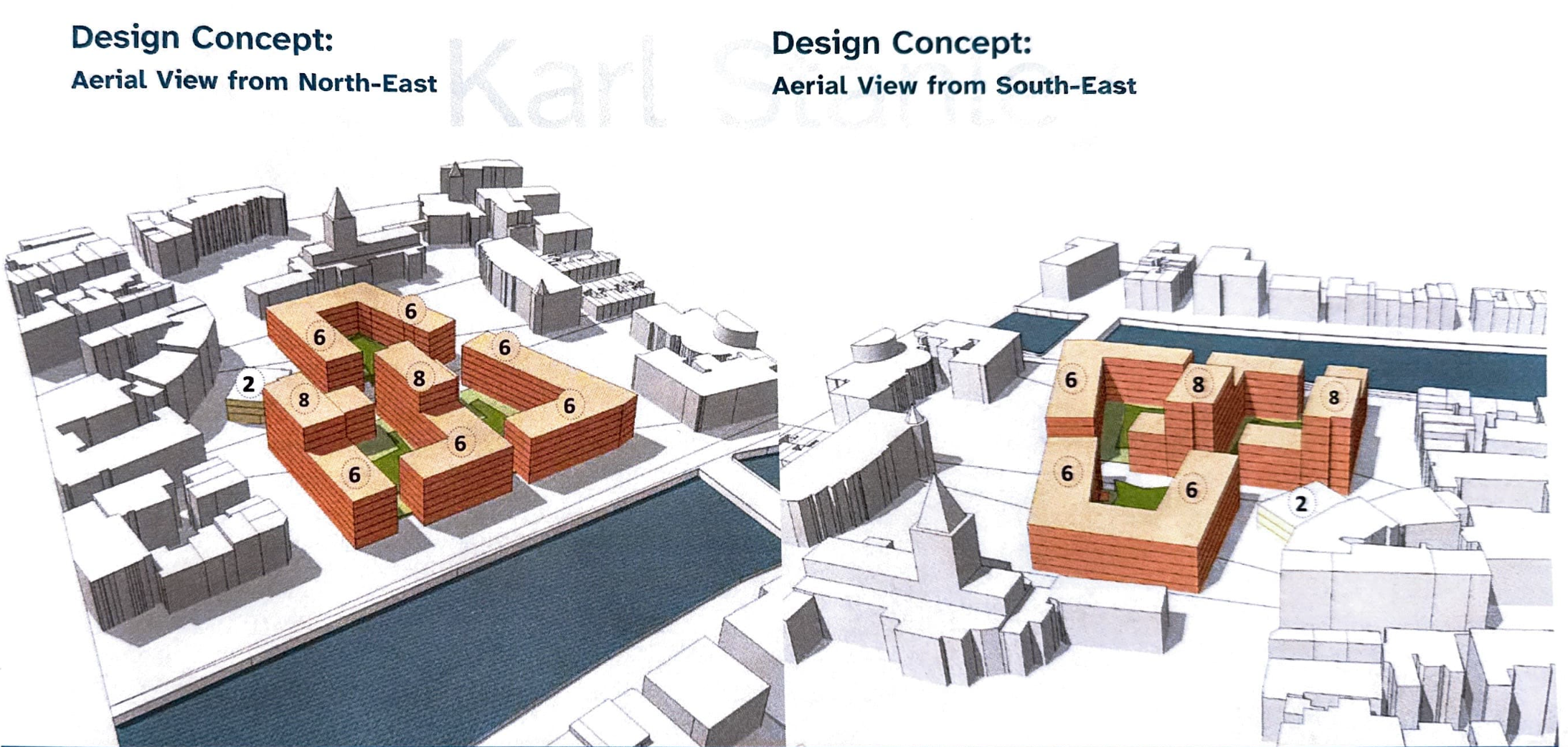
The idea of reactivating a section of the quays as a residential area is exciting - Dublin City would benefit from having more permanent residents to keep it vibrant 24 hours a day. However, it's unlikely that the sketch above will survive in its present form once a proper planning and design process is undertaken.
DCC's paper on building height and density tells us that an 8 storey apartment block can hold up to 280 units / hectare. The Wood Quay site is 1.6 hectares in area, meaning we could expect to build about 450 (= 1.6 * 280) residential units on a plot this size using a uniform 8 storey design. How to fit 550 units on this site via a mixture of 6 and 8 storey blocks without compromising on plot ratio, apartment size or type, or natural light and aspect of each unit is unclear. The same paper suggests a more realistic proposal to build that number of units on the site is to create a 5 storey podium with a 20 storey tower - this could yield up to 600 units at a density of 380 units / hectare. However, given the historical location of Wood Quay and the presence of Christchurch cathedral right beside it, it's unlikely that such a visually dominant building would be permitted in the area.
Further considerations
In the next instalment I'll discuss carbon accounting for this project (CO2 emissions from construction are a huge driver of climate breakdown) and some thoughts on the financing of the project as well as costs and benefits to various stakeholders: DCC management, DCC staff, and Dubliners themselves.